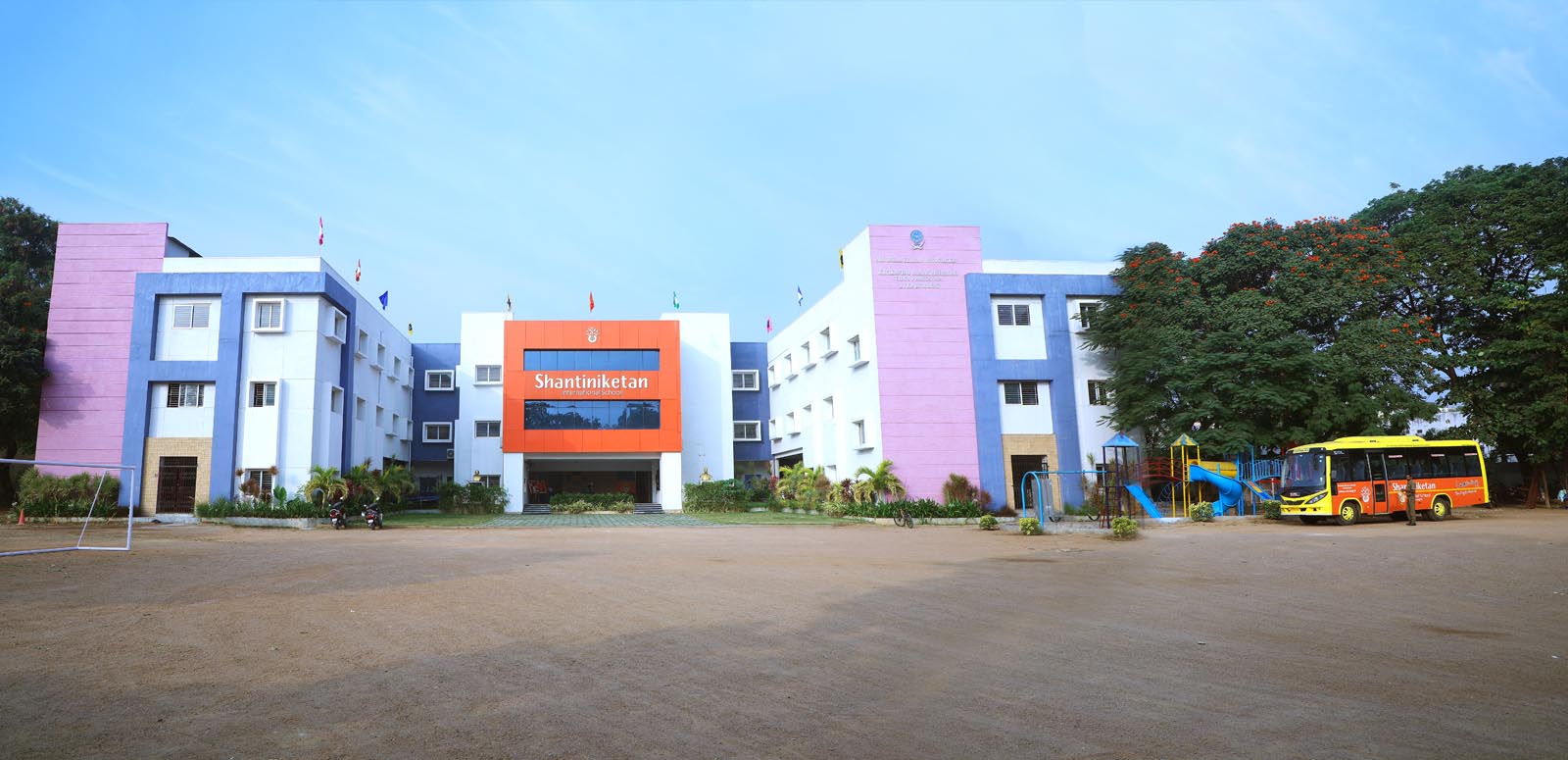
Choosing the right school for your child isn’t simple. Parents juggle plenty of priorities—strong academics, a good curriculum, engaging teachers, solid facilities, meaningful activities, and a real focus on student well-being. CBSE International Schools in Marredpally aim to blend the CBSE structure with experiences that let kids grow in a world that keeps getting more connected.
Why Pick a CBSE International School?
- A Solid CBSE Foundation
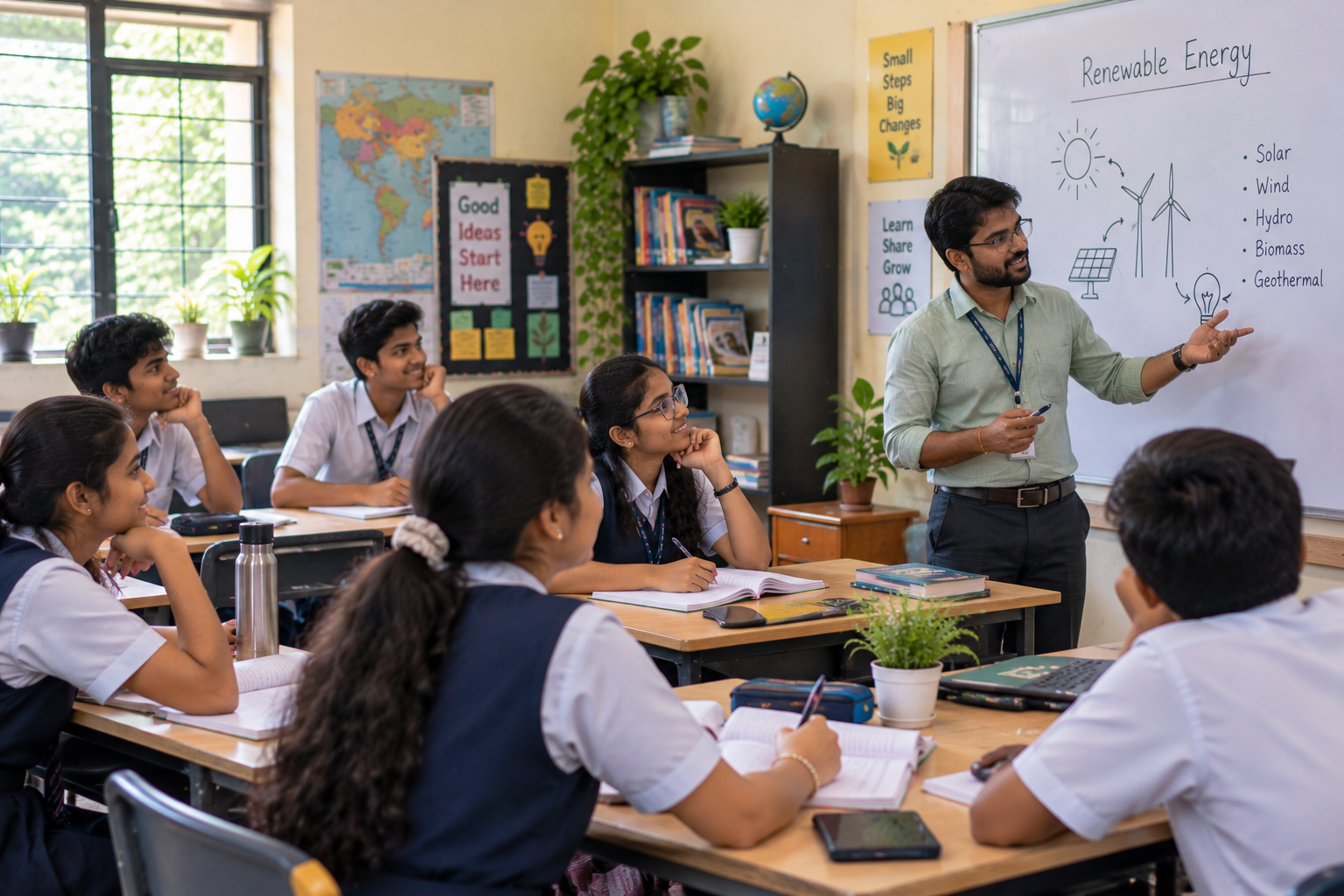
For families who want the stability of an established Indian-style education, it’s comforting. But how well it works boils down to how teachers bring it to life. Good teachers make lessons stick through experiments, projects, group work, and lively discussions.
- Growing in Every Way
Some kids don't just excel at school. Some excel at football or piano. Some are wannabe artists, wannabe DJs, or wannabe programmers. A school that values holistic learning offers children chances to excel in all these things. Think sports, drama, robotics, debates, clubs, science expos, coding, as well as traditional maths and science. The goal: students find what excites them.
How Do You Pick the Right School?
First things first, get clear on what matters most to your family. Does your child need strong academic support or do they thrive on sports and activities? Is a short commute important? What about a school’s approach to technology and international learning? There’s no “one size fits all” checklist here.
Understand What “International” Really Means
Schools will throw around terms like “global perspective” or “international curriculum”—so ask for examples. How do global ideas show up in daily lessons? Do students work with peers in other countries or study actual world events? Specific details tell you a lot more than buzzwords.
- Don’t Skip the Details
Is the school really CBSE-affiliated? For which grades? Do teachers know the material, and do they keep up their professional skills? How are kids assessed—do they just take exams, or do they also complete projects and presentations? These aren’t small questions—they shape your child’s day-to-day learning.
- Teaching That Makes a Difference
Great teachers do more than explain chapters. They notice when kids struggle and step in with help. They encourage questions, invite discussion, and let students work together to solve problems. Ask about teachers’ backgrounds and see if they get opportunities for ongoing training.
- Academic Excellence—Without the Pressure
Every child learns differently. Some need extra practice, others want more challenges. Ask how the school helps students who are struggling or soaring. Things like remedial classes, mentoring, or one-on-one support matter. You want a place that challenges kids, not one that pushes them to the brink.
Why International Awareness Matters
An international school environment nudges students to think about the bigger picture. They learn about other traditions, global issues, science that’s changing the world, and social topics. With that comes respect for difference and greater curiosity.
- The Value of Holistic Learning
Children grow in many ways—not just academically. Group assignments and activities foster teamwork and communication. Sports help develop hard work and grit. Arts and drama develop creativity. Whole schools ensure that these pursuits are balanced – and celebrate well-rounded children, not just book smart.
- Learning by Doing
When kids learn by actually doing—labs, field trips, projects, building models—they remember more. Textbook learning has its place, but connecting it to hands-on experiences makes it stick. For science, that means time in real labs. For math, it might be solving problems tied to real life.
- Technology That Supports (Not Replaces)
Used wisely, technology can open up new ways to learn. Digital boards, learning apps, multimedia lessons, online research—these tools can make lessons more visual and interactive. But nothing replaces hands-on experiences and direct teaching. You want a school that gets the balance right.
- Facilities Matter, but Usage Matters More
Check out the school’s facilities—science and computer labs, libraries, sports fields, music and art spaces. Ask if students really use these spaces regularly. A great lab or music room isn’t worth much if it sits empty.
- Extracurriculars—Looking Beyond the List
Extracurricular activities let kids try new things and find their voice. Maybe it’s athletics, music, theatre, coding clubs, or debates. Look for regular, quality participation, not just a long list of “potential” activities.
- Communication and Leadership
The best schools help kids speak up, write well, and listen thoughtfully. Presentations, debates, group projects, theatre—all these build confidence and leadership. Clubs and events give plenty of chances to organize, lead, and collaborate.
Safety First
Nothing matters more than your child’s safety. Ask about campus security, supervision, how visitors are managed, bus safety, emergency plans, and child protection policies. Also, find out how students get support if something goes wrong academically or socially. A respectful, open environment always feels safer.
- Daily Travel—Don’t Overlook It
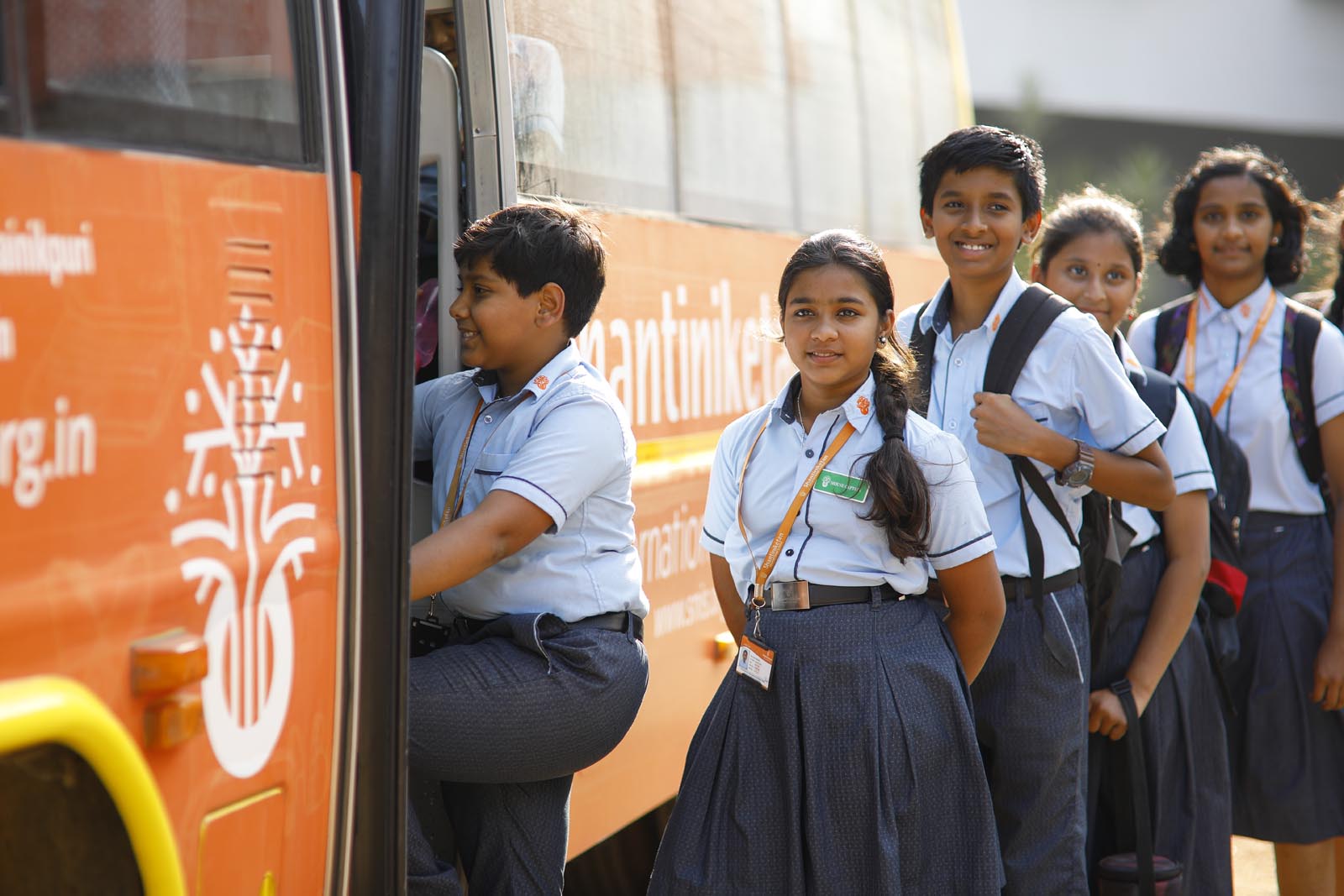
Location matters. A school close to home means less stress for everyone. Think about not just distance but actual travel time, traffic, school bus options, and safety on the route. Extra hours on the road each day can quickly drain a child.
- Partnership With Parents
Good schools work with parents, not around them. Find out how often you’ll get updates about your child, who you can contact with concerns, and what kind of meetings or digital communication the school uses.
- Ready for the Future
Eventually your child will move on to higher studies and the working world. They’ll need problem-solving skills, digital literacy, the ability to work with people from all walks of life, and the confidence to learn new things. You want a school that gives them a solid foundation and enough freedom to discover what they love.
How to Compare Schools
Make a simple comparison list. Look at things like the curriculum, approach to global learning, teacher quality, assessments, infrastructure, digital resources, activities, student support, communication, location, and the school’s culture. Use the same criteria for each school—it makes decisions clearer.
What to Watch When You Visit
A visit tells you things a brochure never could. Watch how teachers and students interact. Notice if kids look engaged and comfortable. Check how clean and well-maintained the campus is. Make sure labs and activity rooms actually look used. If you can, talk to teachers or staff about how they support students.
FAQs
Q. Why choose a CBSE International School in Marredpally?
You get the structure of CBSE academics with a wider world of experiences—international themes, hands-on projects, digital learning, and holistic development.
Q. What does “international” really mean in these schools?
It means bringing global ideas, cultures, and current educational methods into the regular CBSE curriculum—but each school handles this differently. Ask for concrete examples.
Q. How do you spot a good CBSE International School?
Verify their state status, teacher quality, international interaction, amenities, student facilitation, activities, safety precautions, communication mode, location, and the general sensation. Visits matter. To Conclude When it comes to selecting the best school in Marredpally, it is not only academics that matter. It is about the kid liking the school and being comfortable and safe there- a school that doesn't harm independence, creative thinking, respectfulness, and team effort. Visit your top choices, trust your instincts, and use the criteria that matter most to your family. That’s how you make a smart decision for your child’s future.