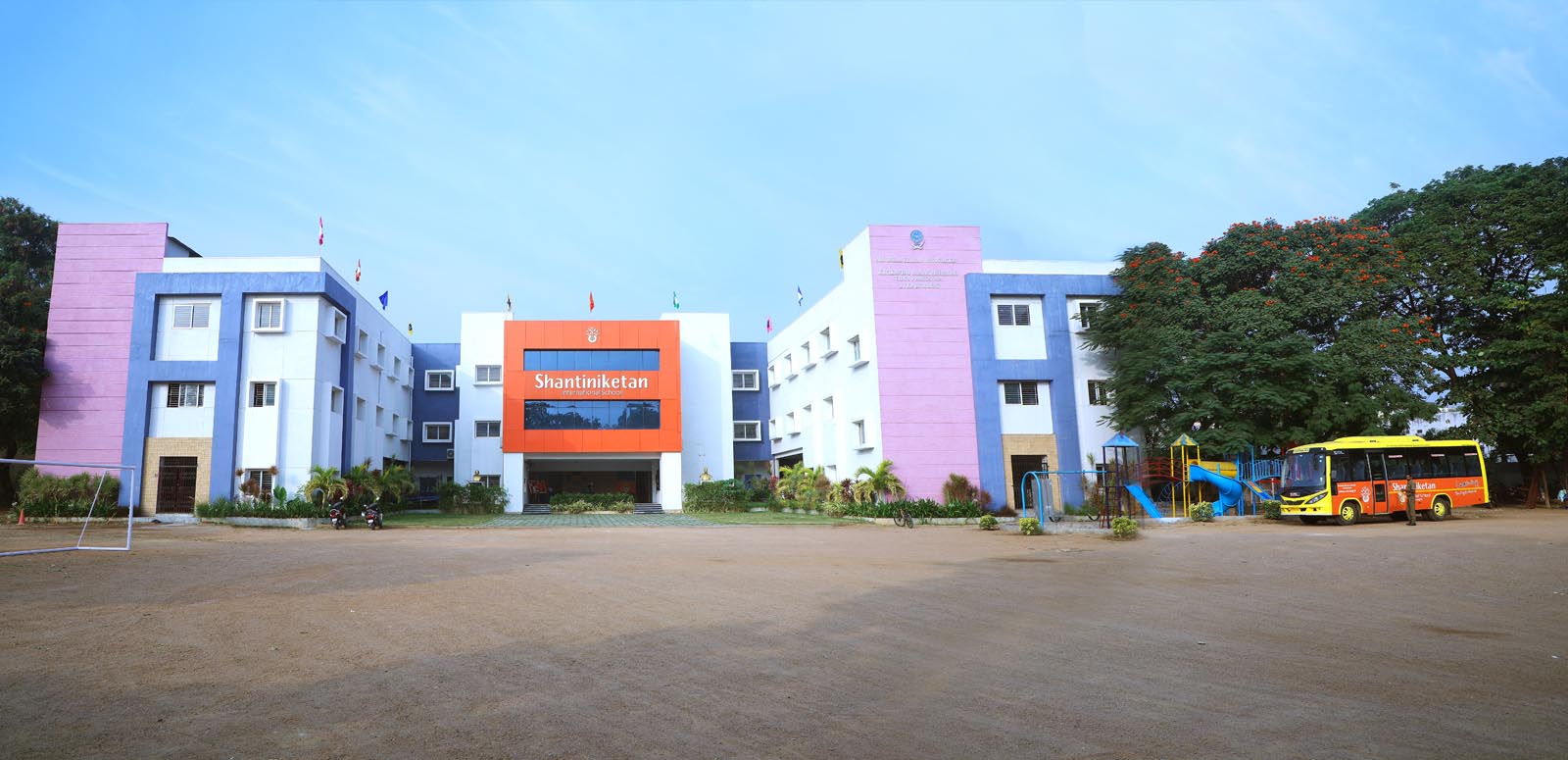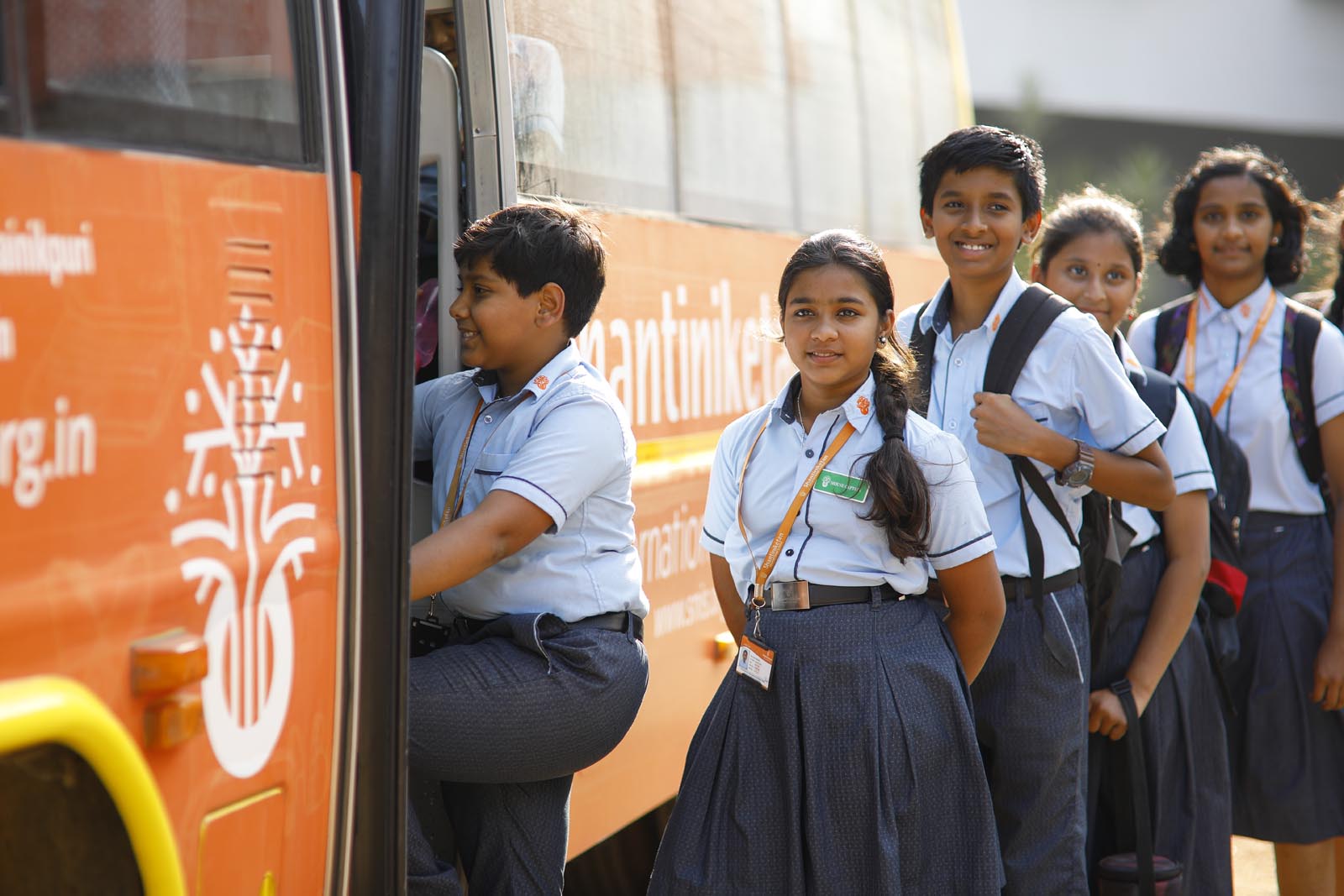
How to choose a school when parents are searching for the Right balance of academic excellence, character building, interaction with friends, other community engagement activities, and Practical training with friends? CBSE International Schools in Kapra strike the right balance by combining the CBSE curriculum with holistic knowledge, pedagogies, and modern-age methods of teaching and learning.
Advantages of CBSE International Education in Kapra
- Holistic Learning
Developmental stages involve more than just academic progress for a child. Schools can promote holistic education by offering opportunities in:
Sports and physical education.
Music and performing arts.
Visual arts.
Drama and theatre.
Public speaking.
Debates.
Science activities.
Technology and coding.
Literary programmes.
- Encouraging Curiosity and Independent Learning
Children are eager to know about the world. Bad teaching is simply having children do rote learning to find the answers; good teaching is inspiring curiosity. With homework, experiments, projects, reading, writing, discussion, and more, the children are doing, independently, in fact, research.
This can lead to children becoming more confident learners who have a better understanding of finding and using information over time.
A Guide to Picking the Correct International School in Kapra
- Understand What "International " Means
There are multiple educational methods, some of which are referred to as "international schools". Parents need to inquire about international education within the specific school. For instance, does the school offer:
- International cultural exposure?
- Collaborative projects?
- Inquiry-based learning?
- Digital learning?
- Verify CBSE Affiliation
Parents are encouraged to review the school's CBSE curriculum and affiliation. Find out as much as you can about the CBSE course outline, grading system, and evaluation procedures. Additionally, this could be helpful. This helps parents to understand what academic path their child will pursue.
- Evaluate Teaching Quality
The quality of teachers can determine the effectiveness of any curriculum. Considerations that parents should make when choosing a teacher also include the instructor's credentials, expertise, and topic understanding, as well as their professional growth and classroom engagement.
- International Education and Student Development
- Developing Global Awareness
A range of countries, cultures, environments, technologies, communities, and social issues can be explored through classroom activities and projects for students.
Global awareness doesn't require students to know everything about every country. The key lies in being willing to consider and appreciate diverse viewpoints.
- Building Collaboration Skills
In many modern educational programs, students work in pairs. Children can be taught to divide tasks, share ideas, listen, resolve conflicts, and complete shared work through group projects....
The experience also teaches students that effective teamwork requires both collaboration and individual responsibility.
- Improving Communication
Communication skills can be developed through presentations, discussions, debates, writing, storytelling, theatre, and group activities. All of these techniques are beneficial for students.
Students can frequently engage in public speaking and writing exchanges within a school setting. Consciousness tends to develop as a result of repeated participation.
- The Importance of Experiential Learning
Students can connect academic concepts with practical experiences through experiential learning. Students can explore topics beyond a textbook through experiments, projects, fieldwork, demonstrations, models, and practical tasks. This is the most effective way for them to learn new subjects.
- Academic Support and Student Progress
Learning needs and strengths are unique to each student. There are children who can readily understand a concept, while others may require clarification or practice. The school's findings on learning difficulties and the support given to students who require additional help should be questioned by parents.
- Academic support may include:
Additional practice.
Remedial sessions.
Individual teacher guidance.
Revision activities.
Progress monitoring.
Parent-teacher discussions.
Enrichment programmes.
Infrastructure and Learning Facilities
Learning can be enhanced by the use of modern infrastructure with appropriate facilities. The following facilities can be considered by parents when evaluating CBSE International Schools in Kapra:
Science laboratories.
Computer laboratories.
Libraries.
Digital classrooms.
Sports facilities.
Art rooms.
Music spaces.
Activity areas.
Indoor recreation facilities.
Multipurpose halls.
- Creative and Cultural Activities
Students can engage in creative activities to explore and express their ideas, which complements academic learning.
- Schools may offer:
Drawing and painting.
Music.
Dance.
Theatre.
Creative writing.
Craft.
Photography.
Cultural events.
- Area and Transportation
CBSE International Schools in Kapra are a good choice to consider if you want your children to go to school daily. School transportation considerations can impact your child's day-to-day life. Parents must factor the following into their considerations:
Distance from home.
Time of travel during peak traffic hours.
School bus routes.
Transportation options.
Pick-up/drop-off logistics.
Traffic conditions.
Transportation safety.
Can families use a basic comparison framework to compare different schools?
- Factor
What Parents Can Check
- Curriculum
- CBSE curriculum and academic structure
- International Exposure
Global perspectives and cultural learning
- Faculty
- Teacher qualifications and experience
- Teaching
- Activity-based and experiential approaches
- Academics
- Assessment and student support
Infrastructure
- Labs, library, classrooms, and activity areas
- Technology
- Digital tools and learning resources
- Activities
- Sports, arts, clubs, and projects
Safety
- Campus and transportation arrangements
- Well-Being
Student support and school culture
- Location
- Travel time and accessibility
- Communication
Parent-teacher interaction
Conclusion
When choosing from the CBSE International Schools at Kapra, learners should consider the curriculum structure and the overall environment.
The way a school incorporates modern teaching methods, an international outlook, practical experiences, and opportunities for holistic development can be analyzed by the parents.
FAQs
Q. What is the benefit of CBSE International School at Kapra?
The focus of CBSI International Schools at Kapra is a far greater emphasis on your education programme and curriculum. Each school you attend will have its own specific experience, and you will find individual differences – a particular focus, international exposure, practical teaching, working with technology, activities, and holistic education.
Q. Does an international school always offer a curriculum with international students?
No. A school being an international school doesn't imply a foreign curriculum. Despite being CBSE, some of the schools might have a curriculum that introduces an international point of view, with global themes, a focus on modernity and technology, as well as exposure to different cultures. Parents are suggested to check the curriculum before they apply.
Q. What are the benefits of international education?
The international aspect in education can help develop communication skills, collaboration, curiosity, critical thinking, and awareness of culture among students. This can be combined with their academic study, while helping students achieve more in their education and career.